
Stenographic vs. Digital Court Reporting: What Is the Difference?

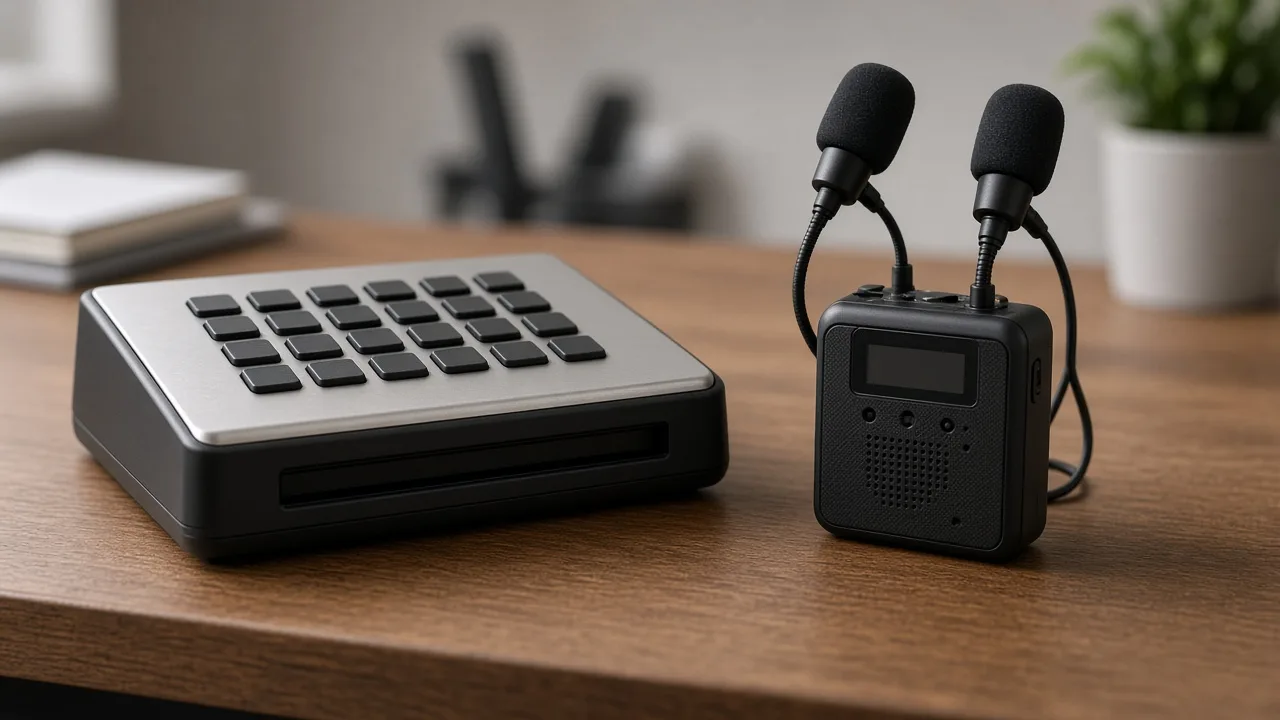
When you schedule a deposition or hearing, you will usually hear about two main approaches to creating a record: stenographic reporting and digital reporting. Both can produce a reliable transcript, but they work differently and suit different situations.
How Stenographic Reporting Works
A stenographic reporter is a trained professional who uses a stenotype machine to write testimony in real time. The strokes are translated by software into text, and the reporter edits the transcript and certifies it. Because the reporter is present and attentive throughout, they can ask a speaker to repeat a statement, clarify spelling of names and note when two people are talking over each other.
How Digital Reporting Works
In digital reporting, microphones capture the audio of the proceeding, and a trained monitor logs notes about who is speaking, exhibits and key moments. The recording is later transcribed, sometimes by a human transcriptionist and sometimes with software followed by human review. The quality of the final record depends heavily on audio clarity and the care of the monitor.
Key Points to Compare
- Real-time needs: Stenographic reporters can provide live text feeds, which attorneys and judges can read as testimony is given.
- Turnaround: Stenographic transcripts can be produced quickly, while digital transcripts depend on the transcription workflow.
- Clarity in difficult conditions: Crosstalk, accents and soft-spoken witnesses are easier to manage when a reporter can interrupt and clarify.
- Cost and availability: Digital approaches may help in areas with a shortage of stenographic reporters, though pricing varies.
- Rules and preferences: Courts and agencies may require a certified shorthand reporter for certain proceedings.
Questions to Ask Before You Book
Confirm what your court, arbitration panel or agency requires. Ask who will certify the transcript, how errors are corrected, how exhibits are marked and delivered, and how quickly you will receive the final copy. For remote proceedings, ask about the platform and how audio quality is handled.
The Bottom Line
There is no single best answer for every case. Complex, high-stakes or fast-moving proceedings often benefit from the live judgment of a certified stenographic reporter, while simpler hearings may be handled well with good audio and careful monitoring. Whichever method you choose, accuracy, certification and clear communication are what matter most.
A Note on Exhibits and Remote Hearings
Both approaches now commonly support remote proceedings. Ask how exhibits will be shared and marked, how participants will be identified for the record, and what happens if a connection drops. Clear ground rules at the start of a session, such as announcing names before speaking, help any reporter or monitor produce a cleaner transcript.
This article is general information and not legal advice.

Comments are closed.